Technological cycles are accelerating and collapsing rapidly
Technological cycles are accelerating and collapsing rapidly
Experts at Jvisser Labs argue that the emergence of artificial intelligence has compressed development timelines and altered the pace of technological change.
Compression of time in innovation
According to Jvisser Labs, processes that previously required months now conclude within days, while developments that once spanned decades can now complete in a single year.
«A day is what used to be a month, and a year is what used to be a decade»
This time compression shifts how companies judge product cycles, adoption curves and the window for competitive advantage in fast-moving markets.
Implications for investment models
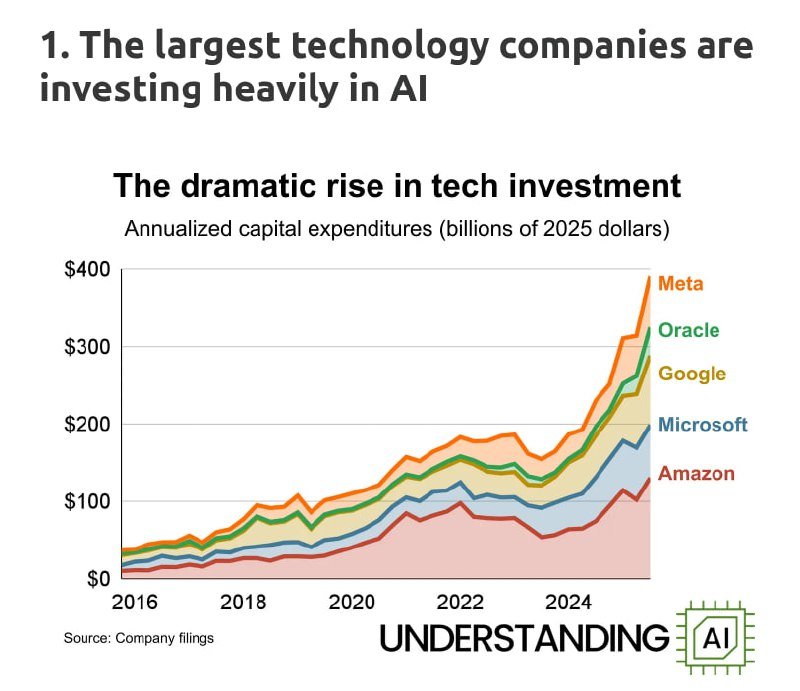
The acceleration undermines traditional investment frameworks, as multi-year capital plans may become obsolete when newer, cheaper technologies appear unexpectedly.
Firms taking on long-term debt to finance AI infrastructure face heightened obsolescence risk if improvements arrive within 1–2 years.
Strategic planning and risk management
Planning horizons have shortened and forecasting uncertainty has increased, prompting companies to revisit assumptions about payback periods and asset useful life.
Risk management must now account for rapid technical advances that can invalidate large infrastructure investments before expected returns materialize.
Operational and market effects
Operational teams must design systems for modular upgrades and faster deployment cycles to remain resilient amid accelerating change.
Market participants, including investors and corporate strategists, need updated metrics to evaluate projects where delivery and competitive advantage can shift in months rather than years.
In sum, the era of compressed innovation timelines demands tighter alignment between capital allocation, product roadmaps and adaptive operational practices to mitigate rapid obsolescence.
Related posts