Assessing Alphabet's valuation amid AI-driven market shifts
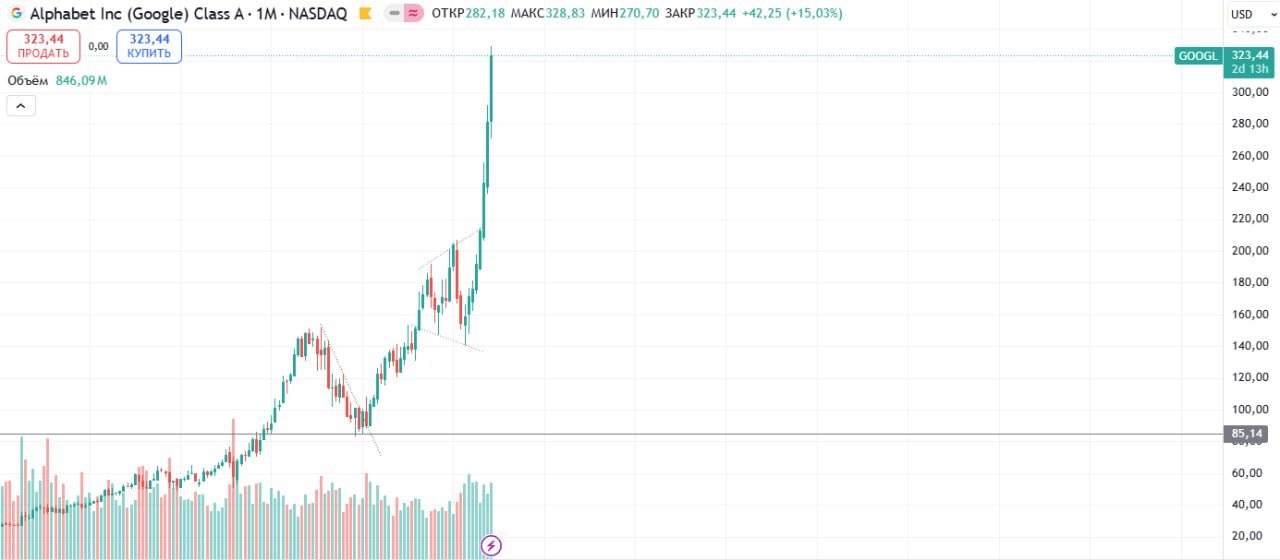
Assessing Alphabet's valuation amid AI-driven market shifts
Some investors describe Alphabet shares as relatively inexpensive, citing anticipated returns from artificial intelligence and platform services over medium-term horizons. Market participants weigh revenue trajectories, margins, capital allocation, and investment in AI infrastructure when assessing value.
Valuation indicators
Valuation relies on forward revenue multiples, anticipated margin expansion, and the expected returns from recent AI-related product development initiatives. Comparisons with peers in cloud and advertising provide context for relative multiples and investor expectations.
AI investments and platform strategy
Alphabet invests in AI research and cloud infrastructure to support generative models and enterprise services across its advertising and productivity ecosystems. The timeline for monetization of these technologies varies, and capitalization of future cash flows depends on successful product integration.
Investor considerations
Investors should consider regulatory risks, competition in cloud and advertising, and execution risks tied to scaling AI services globally. Large-cap liquidity mitigates some trading volatility, but sentiment shifts linked to AI performance reports can produce rapid price adjustments.
Practical metrics
- Compare forward price-to-earnings and enterprise-value-to-EBITDA multiples against peers to contextualize relative valuation.
- Assess research and development spending trends alongside capital expenditures to estimate ongoing commitments to AI infrastructure and services.
- Monitor product announcements, partner integrations, and enterprise contract signings for signals of monetization and incremental revenue recognition.
Conclusion
Describing Alphabet as cheap reflects relative valuation perspectives rather than definitive market consensus on future profitability or cash generation. Investors typically balance multiple quantitative and qualitative indicators before forming final allocation decisions.
Related posts